Table Of Content
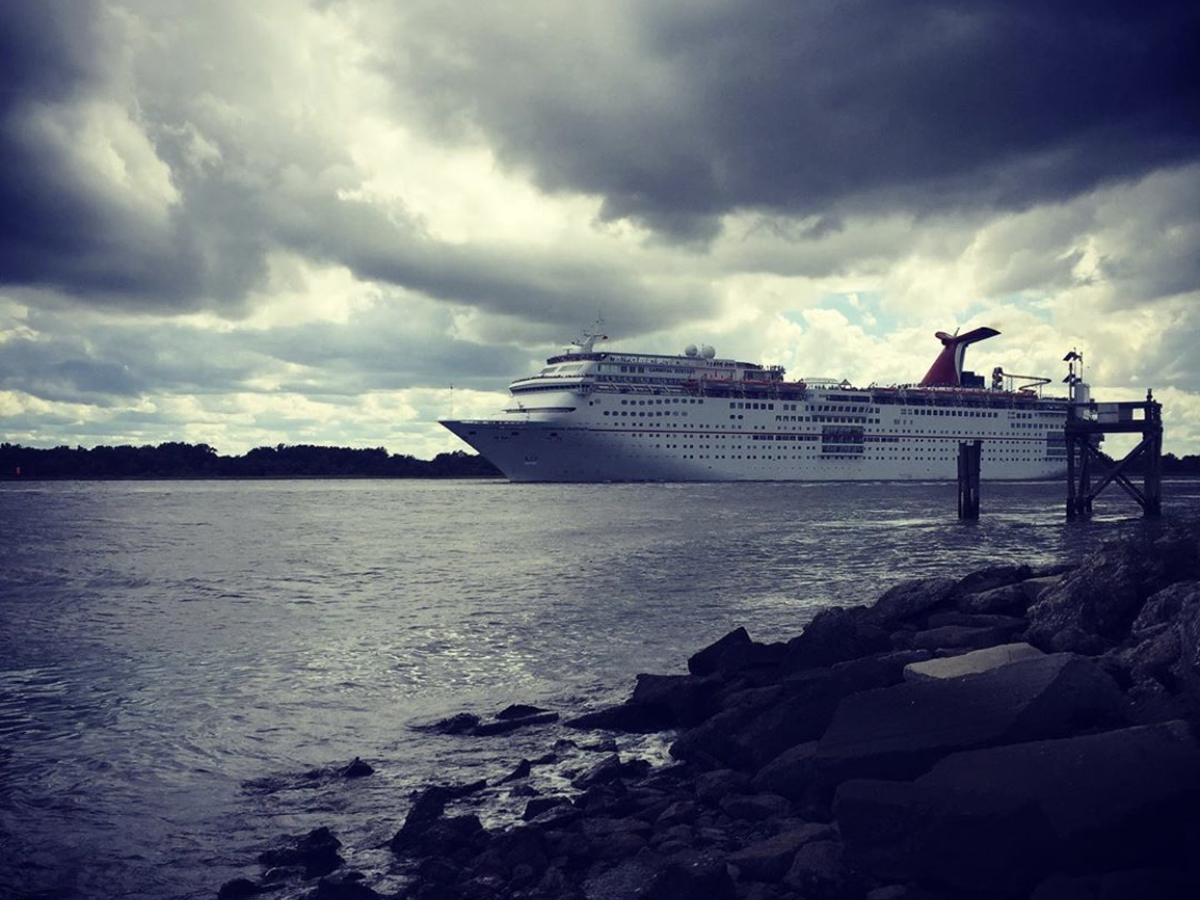
A cruise ship morgue is usually a simple room with one or two refrigeration units, with multiple compartments to hold a body. They don’t usually look like morgues you see on TV, with individual units for each body. Always review potential policies carefully to ensure they cover all aspects of your cruise itinerary and any personal health issues you may have. The size of a cruise ship morgue varies, but most can accommodate three to six bodies, though the largest cruise ships can hold up to ten bodies. Morgues are usually kept on the lower level, away from guests, and can accommodate three to six bodies at once. A cruise ship and its crew are always prepared for any type of instance that can occur and always strive to take care of it in a professional, dignified manner.
When a Passenger Dies at Sea: What You Need to Know
Rumor has it that cruise ships store bodies in the freezer when they run out of room in the morgue. The cruise line provides guests and crew with generous portions of ice cream to make room for the bodies. If a passenger dies while on a shore excursion, shore excursion protocols are followed. The cruise line will assist with funeral arrangements, but the responsibility falls on the family.
Jails, Morgues, No Deck 13 - The New York Times on The Hidden Secrets of Cruise Ships - Afloat
Jails, Morgues, No Deck 13 - The New York Times on The Hidden Secrets of Cruise Ships.
Posted: Fri, 19 Apr 2024 09:14:10 GMT [source]
Where Is the Morgue Located?
Most cruise ships are required to have a morgue on board as well as enough body bags in case of an emergency. The body will be kept at the morgue until it can be disembarked at the next major port or at the port of origin. All cruise lines have procedures in place to handle the situation if someone dies during a sailing.
How Do Cruise Lines Help Family and Friends?
In rare instances on small vessels with fewer morgue spaces, there have been reports of bodies stored in the ship’s large freezers or refrigerators, depending on the available cooling options. By law, cruise ships must have body bags and a morgue on board in case of death on the journey. While it may not be something you think about when planning your vacation, it’s essential to know what to do in the event of a death while on a cruise ship and whether there is a cruise ship morgue on board. It is unpleasant to contemplate the possibility of a passenger death occurring on a cruise ship, but unfortunately, it is not an uncommon occurrence. It is important to be aware of what happens in such situations and to know your rights as a passenger.
What Happens To The Bodies In A Cruise Ship Morgue?
However, many do offer services that allow ashes to be scattered at sea. It varies by cruise line, but some offer dedicated ceremonies for this type of service. Understandably, there aren’t many videos of cruise ship morgues available online. They’re hardly something that cruise lines want to show off as part of a behind-the-scenes tour, and it would be unusual for cruise ship workers to film them. Cruise ship morgues are located on a lower deck in an area inaccessible to passengers. Operation Bright Star mobilizes the ship’s medical response team to provide urgent care to stabilize patients until they can receive comprehensive medical treatment at a shore-based facility.
Cruise ship morgues have space for several bodies
The morgue is typically located on a lower service deck, out of the way from main passenger areas. Though large numbers of passengers cruise every year, deaths during cruises are actually quite rare events statistically. For storage, there are stainless steel refrigerated compartments or pull-out cold drawers to contain bodies. Basic embalming tools, cleaning supplies, body bags, and personal protective equipment are also kept for handling deceased persons. The crew can use the I-95 to access various cruise ship areas, like the engine control room, the laundry facilities, and their cabins. You’ll find everything stored there, from alcohol, food, and shipping equipment.
What Happens When Someone Dies on a Cruise Ship?
Whatever the case, there is a morgue on the ship equipped with body bags, ready to hold a body until the deceased can be moved off the ship once it gets to a port. A lot of ports aren’t suitable and would refuse to accept a body, so often a passenger who has passed away will remain on the ship for up to a week until the ship returns to a suitable location. They offer cruise-specific plans to protect you and your loved ones while you sail. Some cruise lines have volunteer clergy onboard who may assist in supporting the family of and friends of the deceased.
Jail Cells? Morgues? Your Cruise Ship Has Some Surprises for You.
Generally, the bigger the ship, the more shelves are found in the morgue. When sailing, there are several considerations when someone dies, including the policies governing different ports along with the ship’s itinerary. These determine whether a body can be repatriated during the next port, whether it needs to be removed, or whether it should remain on the cruise ship until its final destination. You may wonder about cost implications for using onboard morgue facilities on a cruise ship.

I’ve heard it reported many times that some older folk spend their last days cruising rather than go to a care home because it works out cheaper. Cruise lines have many codes for the staff to communicate without alarming passengers. If the death was due to natural causes, the ship would usually not be required to investigate. “There was a lot of yelling, and the crew was alerted immediately,” another passenger, Deborah Morrison, told The Post. Some passengers said it appeared to be an impulsive, spur-of-the-moment decision.
While it may seem morbid to think about, you may wonder if cruise ships have morgues. Even though it probably (or hopefully!) won’t cross your mind when you’re gearing up for your next vacation, it is a question of curiosity for some. Cruise ships are prepared to handle every situation that can arise, including death. Cultural differences can also come into play when handling a passenger’s death on a cruise ship. For example, some cultures have specific funeral customs or rituals that must be followed, which may not be possible on board a ship.
People say they've been on their 'last cruise' after finding out about horrifying area people don't know about - LADbible
People say they've been on their 'last cruise' after finding out about horrifying area people don't know about.
Posted: Sat, 10 Feb 2024 08:00:00 GMT [source]
A body must always be stored until it can be disembarked at a suitable port for this service to be carried out. Cruise ship morgues are typically located on lower decks, near medical facilities, to ensure easy access by medical staff while remaining out of sight and inaccessible to passengers. Each vessel is required to carry body bags in addition to maintaining a morgue. While it is morbid to consider someone dying on a cruise ship, the crew is well-prepared to deal with such an event. They will also aid the family or friends of the deceased cruise passenger in returning the body home. First, ship officials must notify port authorities, and have onboard medical personnel immediately examine the body.
The suspects may be held in a small brig on the ship until local authorities arrive. The size of the morgue depends on the ship’s capacity, and they are required to carry body bags. As you may wonder, “do cruise ships have morgues,” one of the common questions that arise is about the size of these morgue facilities. Cruise ships are legally required to have morgues onboard to handle deaths that may occur during a voyage. The morgue is staffed by the ship’s doctor and a nurse medical team, providing professional care and support during such unfortunate circumstances. While it may not be something you think about when planning your vacation, it’s essential to know what to do in the event of a death while on a cruise ship.
The death of a passenger will need reporting to the relevant local authorities. How soon a body can be offloaded depends on several factors, including local regulations, where the ship is in its itinerary and where the vessel is flagged. Generally, remains are removed from ships in the next major port of call, where the proper infrastructure exists to handle them.
While smaller ships may have small refrigerators that can accommodate one or two bodies, larger ships may have more spacious facilities. In case of space constraints, crew members may utilize alternative options, such as walk-in freezers, to store the deceased until they can be transferred to shore. When someone dies on a cruise ship, crew members follow meticulous procedures to handle the process respectfully and carefully. The ship’s medical team confirms the death and immediately informs the captain and necessary port authorities.




No comments:
Post a Comment